Welcome to the Eternal Path
Sanatan Dharma
Discover the Roots of Hindu Culture, Beliefs, and Traditions
What is Sanatan Dharma?
Sanatan Dharma, often translated as the "Eternal Religion," is the indigenous name for Hinduism. It signifies a timeless, universal set of principles and truths. It is not founded by a single person but is a result of the collective wisdom of ancient sages and seers. Key concepts include Dharma (righteous conduct), Karma (the law of cause and effect), Samsara (the cycle of birth, death, and reincarnation), and Moksha (liberation from the cycle).
Explore Philosophy →Major Gods & Goddesses
Sacred Scriptures
The Vedas
The most ancient Hindu scriptures, a large body of religious texts originating in ancient India. Composed in Vedic Sanskrit, the texts constitute the oldest layer of Sanskrit literature and the oldest scriptures of Hinduism.
The Four Vedas:
The Upanishads
A collection of texts of religious and philosophical nature, written in India probably between c. 800 BCE and c. 500 BCE, during a time when Indian society started to question the traditional Vedic religious order.
Principal Upanishads:
- Isha
- Kena
- Katha
- Prashna
- Mundaka
- Mandukya
The Ramayana
An ancient Indian epic poem which narrates the struggle of the divine prince Rama to rescue his wife Sita from the demon king Ravana. It explores human values and the concept of dharma.
The Seven Kandas (Books):
- Bala Kanda
- Ayodhya Kanda
- Aranya Kanda
- Kishkindha Kanda
- Sundara Kanda
- Yuddha Kanda
- Uttara Kanda
The Mahabharata
One of the two major Sanskrit epics of ancient India. It is an epic narrative of the Kurukshetra War and the fates of the Kaurava and the Pandava princes.
The Eighteen Parvas (Books):
- Adi Parva
- Sabha Parva
- Vana Parva
- Virata Parva
- Udyoga Parva
- ...and more
The Bhagavad Gita
A 700-verse Hindu scripture that is part of the epic Mahabharata, it presents a synthesis of Hindu ideas about dharma, theistic bhakti, and the yogic paths to moksha.
Key Concepts:
- Karma Yoga
- Jnana Yoga
- Bhakti Yoga
- Dharma
- Moksha
Festivals & Rituals
Diwali
The festival of lights, symbolizing the victory of light over darkness, good over evil, and knowledge over ignorance.
Holi
The festival of colors, celebrating the arrival of spring and the triumph of good over evil. A day of joyful celebration.
Navratri
A nine-night festival dedicated to the worship of the goddess Durga, celebrating her victory over the demon Mahishasura.
Janmashtami
Celebrates the birth of Lord Krishna, an avatar of Vishnu. It involves fasting, singing, and dramatic enactments.
Daily Prayers & Mantras
Gayatri Mantra
Mahamrityunjaya Mantra
Articles & Insights
Benefits of Meditation
Explore how daily meditation can bring peace, clarity, and spiritual growth into your life.
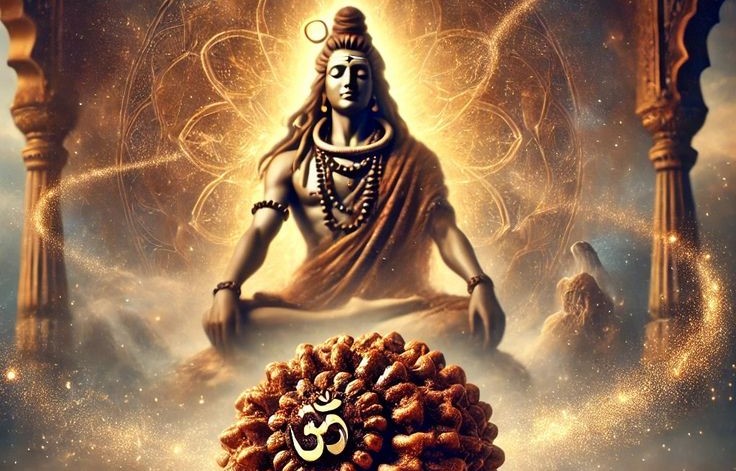
The Spiritual Meaning of Rudraksha
Understand the significance of Rudraksha beads and their connection to Lord Shiva.
Why Fasting is Done on Ekadashi
Learn about the scientific and spiritual reasons behind the sacred practice of fasting on Ekadashi.